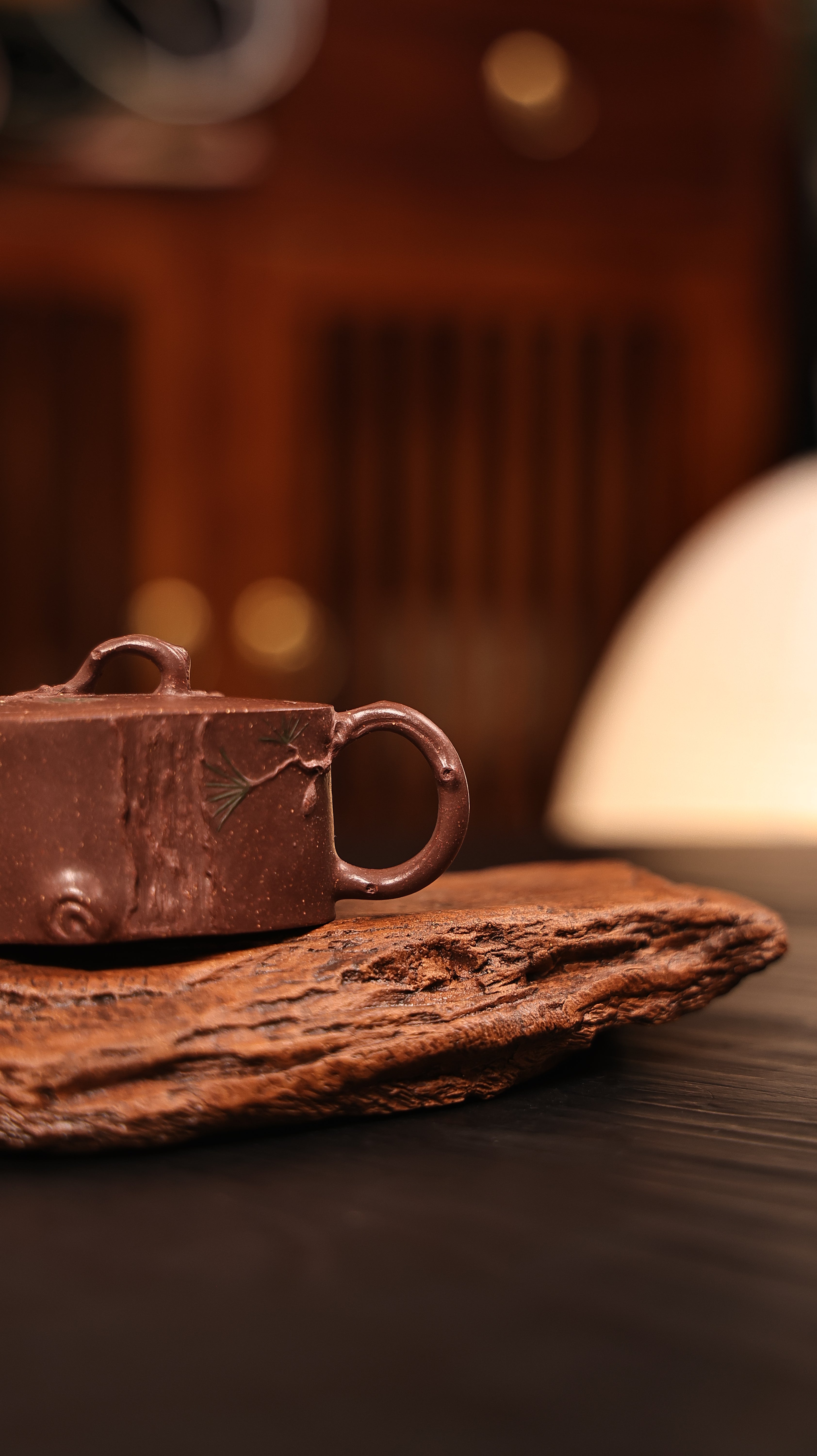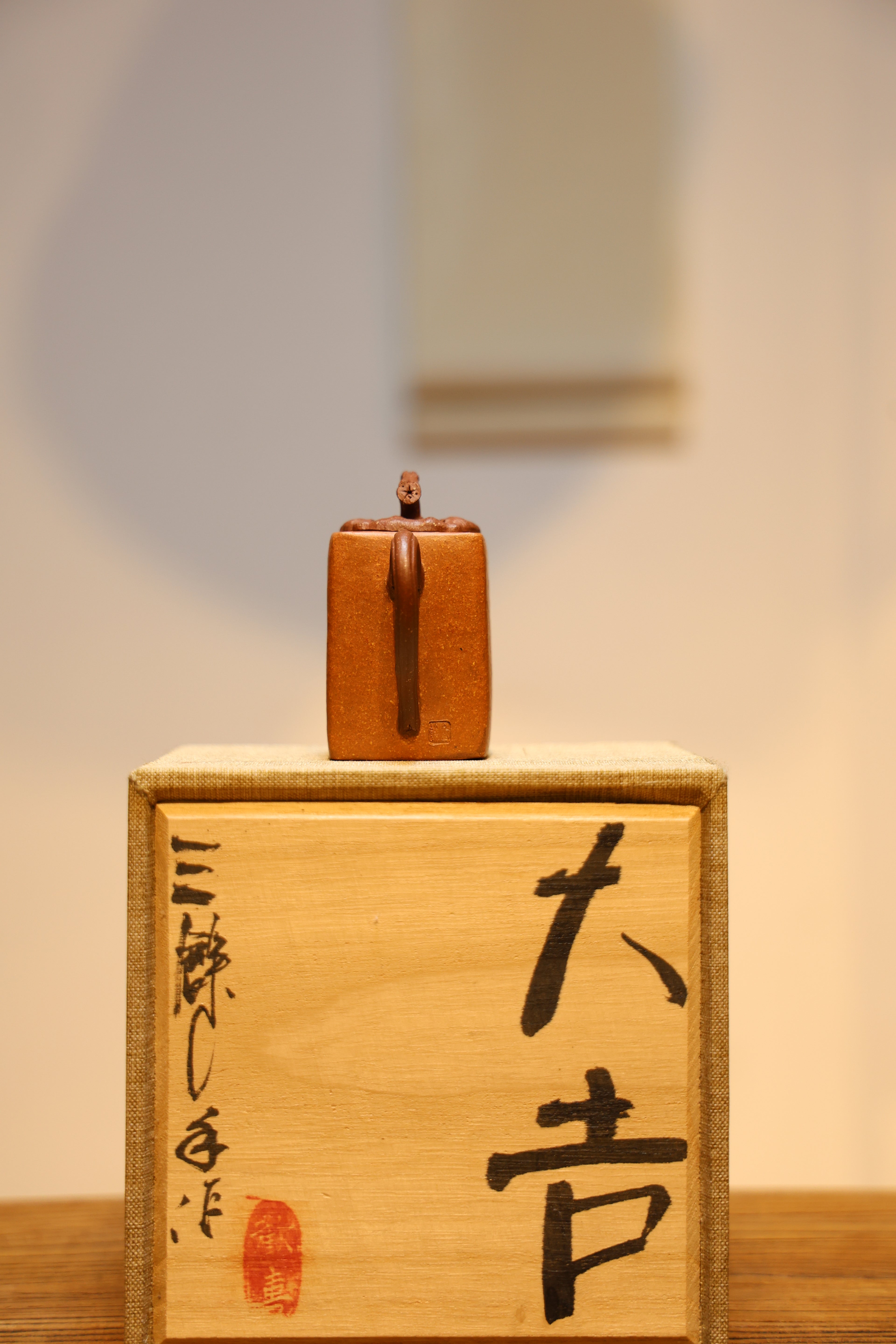
Periods in experts have valued the particular attraction of Yixing Zisha kettles. Hailing in the quaint town of Yixing, the state, these containers are shaped from a rare and mined purple clay distinguished for its unmatched thermal characteristics and aptitude to elevate the taste of tea. Other than their utilitarian importance, Zisha teapots embody a profound social background, turning them extremely treasured and a undisputed find for any dedicated teapot devotee.
Examining Yixing Earthenware
Yixing teapots illustrate a unusual blend of history and experienced craftsmanship. Rooted in Yixing, Jiangsu Region of China, their narrative originates in the Ming Dynasty, although documentation suggest earlier manifestations. The exceptional auburn clay, called Zisha, found exclusively in the Yixing region, is the fundamental component, contributing to the pots' exceptional heat sustaining and the manner they alter the taste of tea. Epochs of potters have refined techniques—often relayed through families—including designing the clay, applying elaborate embellishments, and firing the pots at deliberate temperatures.- Back then, Yixing teapots were often decorated with simple designs.
- In due course, more intricate carvings and iconographic motifs became widespread.
- The kiln firing itself is a vital element, requiring extensive periods of competence.
Assembling Zisha Teapots: Key Guidelines
Setting out on a search to accumulate Zisha teapots can be enjoyable, but it’s imperative to grasp what to inspect. Authenticity is paramount; focus on the substance’s natural hue, a soft reddish-brown is traditional. Examine the texture; genuine Zisha has a notable tactile sensation, often expressed as slightly rough. The configuration should be well-proportioned and consistent with traditional styles, while stamps, if present, require precise examination for genuineness. Don’t refrain to consult with skilled authorities or reputable authorities – their wisdom is essential.
Renowned Vessels: Examining the Culture of famous Ceramics
Ages have seen Yixing Zisha Clay teapots possess a notable role in Chinese arts. These artfully designed pots, sourced uniquely from the district of Yixing, are well-known for their characteristic pigmentation, composition, and their ability to enhance the taste of beverages. Countless collectors chase antique Yixing teapots, estimating them considerably not only for their aesthetic grace, but also for Chinese Teapot the chronicle they signify.
Yixing Zisha Teapots: A Finest Varieties and Their Features
Purple Clay teapots, coming from the Yixing area of Yixing, China, are well-known for their remarkable clay and first-rate brewing features. Throughout the diverse Zisha types, specific kinds that are highly valued include Qingtian. Binzhou, known for its strong purple shade and silky texture, delivers a soft flavor. Duan Ni subclass, recognizable by its rusty color and slightly grainy feel, is perceived to enhance a robustness. Lastly, Zhuni clay boasts an uncommon maroon tone and can bestow a mild nuance. Each kind offers a singular experience, enabling them extremely desirable to potion enthusiasts.
Conquering A Yixing Container
To discover the magic of your Yixing urn, learning the correct technique is necessary. These clay kettles, celebrated for their permeability, will eventually retain the flavor of the tea you formulate within them. Begin by flushing the teapot thoroughly with tepid water. Then, use only top-grade raw leaf tea, as lower quality options can degrade the clay’s delicate qualities. Always let the leaves to extend completely, and remember that with each steeping, your Yixing teapot will become perpetually valued.
Caring for Your Precious Zisha Collectible
Proper maintenance for your Zisha urn is vital to sustaining its longevity and esteem. Zisha clay, recognized for its unique tone and structure, requires specific handling. Never use corrosive soaps, as these can spoil the surface. After every application, rinse the jar with mild water and allow it to dehumidify completely.
- Refrain from soaking the pitcher for extended periods.
- From time to time use a soft wiping cloth to polish the exterior.
- Deliberate applying a thin layer of food-grade mineral oil inside the pot after drying, which can avoid staining.
Fundamentals of Yixing Pitchers
Yixing teapots, originating from the Yixing territory in Jiangsu Province, in the People's Republic, are celebrated for their distinctive characteristics. Created from the unique purple substance known as Zisha, these pots are prized by drink enthusiasts worldwide. This handbook will neatly explain the basics – covering varieties of Zisha material, typical shapes, and fundamental care tips. Understanding the origin of Yixing earthenware can boost your appreciation for this celebrated example of Chinese heritage.
Mastery of Han Pitchers: Presenting Zisha from the Yixing region
Zisha earth from the Yixing district represents the apex of Eastern pitcher design, demonstrating a unique combination of earthy beauty and useful artistry. These exceptional pieces are famed for their intense shades, often varying from robust purples and chestnut hues to light greys and gentle beiges. The unique mineral composition of the indigenous Zisha terrain imparts a identifying texture and offers a enjoyable aroma that boosts the aggregate potion experience, contributing to them significantly cherished collectibles and necessary components of any serious ceremony.